




Seeking Adults and Children With MDS or MDS/MPN
Dr. El Jurdi and her team at the National Institutes of Health (NIH) are seeking adults and children aged 12 and older with myelodysplastic syndrome (MDS) or myelodysplastic/myeloproliferative neoplasm (MDS/MPN) for a clinical research study. This clinical research study is evaluating the safety and effectiveness of an investigational drug, pacritinib. Parental consent is required for minors.

Hormone Replacement Therapy in Adolescents with Premature Ovarian Insufficiency
Are you or someone you know affected by Premature Ovarian Insufficiency (POI)? POI happens when the ovaries stop working properly in young females, causing lower estrogen levels.
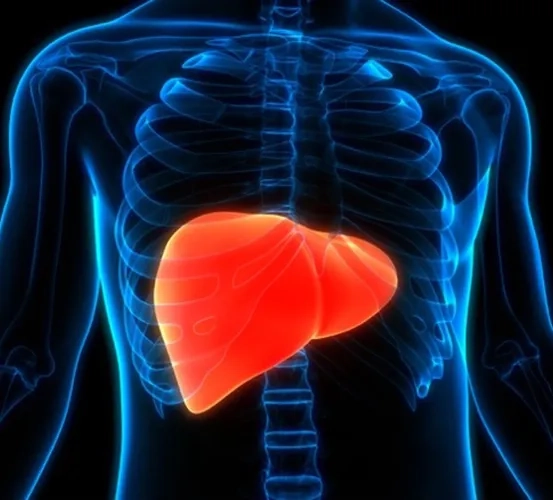
A Randomized, Double-Blind, Placebo-Controlled, Flexible Dose Phase 2 Study of Efficacy and Safety of Tirzepatide in Individuals with Alcohol Use Disorder and Metabolic Alcohol-associated Liver Disease
The National Institutes of Health (NIH) is conducting a research study to explore whether an investigational GLP1 medication called Tirzepatide can help people improve liver health. This study focuses on individuals who are overweight and drink alcohol regularly.

A Phase I Study of Autologous T Cells Transduced with Retroviral Vectors Expressing TCRs for Participant-specific Neoantigens in Patients with Acute Myeloid Leukemia, Myelodysplastic Syndrome, and other Hematologic Malignancies
Dr. James Kochenderfer and team with the National Cancer Institute at the National Institutes of Health (NIH) are conducting a clinical research study evaluating an investigational immune cell (T-cell) therapy for adults with certain blood cancers that have not responded to standard treatments. Our goal is to see if this approach is safe for people with blood cancers.

Imaging and Biopsy of People with HIV-1 Undergoing Analytic Treatment Interruption
The National Institutes of Health is enrolling adults living with HIV who are on stable antiretroviral therapy (ART) for a clinical research study led by Chuen-Yen Lau, M.D.

Quantifying Associations of Stress and Inflammation-Associated Oral Biomarkers with Oral Health, Oral Health Behaviors, Systemic Biomarkers and Clinical Phenotype in Individuals with Alcohol Use Disorder (AUD)
Poor oral health may increase the risk of serious conditions like diabetes and stroke. Researchers at the National Institutes of Health (NIH) are conducting a study to test a new questionnaire about oral health habits and to learn how oral health behaviors affect inflammation.

A Phase 1 Study to Evaluate the Safety and Tolerability of Escalating Doses of VAS-101 in Subjects with Stable Sickle Cell Disease
NIH researchers are seeking adults aged 18 and older with sickle cell disease for a research study evaluating VAS-101 gel, an investigational product containing curcumin, to determine whether it is safe and well-tolerated.

Advancing Treatment Options for Recurrent Glioblastoma
Adults with recurrent glioblastoma may be eligible for an NIH research study evaluating LMP744, an investigational drug with FDA orphan drug designation for gliomas. The study aims to assess the drug's safety and both its short- and long-term treatment effects.

Prospective Cross-Over Study of the Effects of Meal Macronutrients on Postprandial Lipids
NIH researchers need volunteers with a health condition that affects how their body handles fats. Adults 18+ with conditions that affect how the body handles fats, like obesity, lipodystrophy, nephrotic syndrome, type 2 diabetes, and fatty liver, may be eligible to participate in a research study looking at how different fats in meals affect fat levels in the blood.

Prospective Cross-Over Study of the Effects of Meal Macronutrients on Postprandial Lipids
Healthy Volunteers Needed for Nutrition & Heart Health Research. Researchers at the National Institutes of Health are studying how meals with different nutrient levels affect fats in the blood, which may play a role in heart disease and other health conditions.