




A Feasibility Study of Transcranial Electric Stimulation Therapy (TEST) for Treatment Resistant Depression (TRD)
Dr. Regenold and his team at the National Institutes of Health (NIH) are leading a study to explore an investigational new, non-invasive brain stimulation technique to see if it can safely support people experiencing symptoms of depression.

A Study of an Investigational Drug for Focal Segmental Glomerulosclerosis (FSGS)
Dr. Gahl and his team at the National Human Genome Research Institute are seeking volunteers aged 18 and older with primary FSGS to participate in a research study on the effects of an experimental drug, ManNAc, on this disease. The study aims to assess the long-term safety and tolerability of ManNAc and determine whether it can reduce protein in the urine of people with FSGS.

An Investigation of the Antidepressant Effects of (2R,6R)-HNK, an Enhancer of Synaptic Glutamate Release, in Treatment-Resistant Depression
Researchers at the National Institute of Mental Health (NIMH) are studying an investigational drug, HNK, to see if it is effective in treating major depression. If you're 18–70 years old and have major depressive disorder (MDD), you may qualify for this 12- to 14-week inpatient research study.

Role of GABAergic Transmission in Auditory Processing in Autism Spectrum Disorder
Researchers are studying the brain's response to language and sound. This study uses a repetitive transcranial magnetic stimulation (rTMS), an investigational form of brain stimulation, to measure how different parts of the brain communicate in teens with autism spectrum disorder (ASD). Findings from this study may aid in the development of possible future treatments.

A Feasibility Multicenter Phase I Study of Therapeutic Drug Monitoring-Based Atezolizumab Dosing
Researchers are enrolling people with locally advanced or metastatic cancer who are prescribed atezolizumab (alone or with other approved treatments). The study will monitor blood levels to adjust infusion schedules, aiming to see if lower or less frequent doses can be given without reducing effectiveness, over a period of up to 2 years.
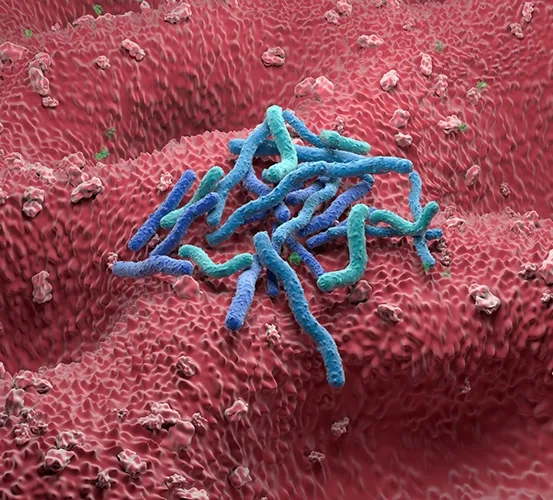
Be Part of a Study That Could Change How We Detect Helicobacter pylori
This study explores whether the Esophageal String Test (EST), a simple, less invasive procedure can accurately detect H. pylori and antibiotic resistance, compared to traditional testing that uses endoscopic biopsies.

NIH Seeking Participants for a Study on Immune Dysfunction in Menopause
Researchers at The National Institutes of Health (NIH) are conducting a study examining inflammation and metabolic dysfunction in menopause. They are looking for both premenopausal and postmenopausal women to participate in the study.

Phase 1 Study with Dose Expansion of the Anti-Mesothelin TNaive/SCM hYP218 (TNhYP218) CAR T Cells in Participants with Mesothelin-Expressing Solid Tumors Including Mesothelioma
Researchers at NCI are developing a new investigational treatment known as TNhYP218 CAR T cells to target and kill tumor cells in people with solid tumors and with those that have high levels of mesothelin (MSLN) including mesothelioma. The study team collects immune cells (T cells); the T cells are genetically modified to target and kill tumor cells to potentially shrink the tumor.

An Open-Label Study of Zemaira (Alpha 1-Trypsin Inhibitor) in Subjects with Eosinophilic Esophagitis
Research Study #001854-I to explore the effects of Zemaira® for individuals with eosinophilic esophagitis (EoE). This study aims to understand how people with EoE feel while taking Zemaira® and whether it provides any benefits. By joining this research, you'll have the opportunity to contribute to medical advancements that could improve care for those with EoE. Every patient plays a key role in shaping future treatments and expanding knowledge about this condition.

Evaluating the Genetics and Immunology of Periodic Fever, Aphthous Stomatitis, Pharyngitis, and Cervical Adenitis (PFAPA) Syndrome and Other Tonsil Disorders
Do you or your child experience recurring fever with mouth sores (canker sores), sore throat, or swollen neck glands? These could be symptoms of PFAPA, the most common periodic fever syndrome in children.
Dr. Manthiram and her team at the National Institute of Allergy and Infectious Diseases (NIAID) seek volunteers who are one month and older (parental consent required for minors) to participate in a research study to better understand PFAPA. Compensation provided. Participants can join from home anywhere in the USA or internationally.