




A Biorepository of Multiple Allergic Diseases (MADREP) With Longitudinal Follow-Up
Are allergies holding you back from living life to the fullest? Dr. Paneez Khoury and her team at the National Institute of Allergy and Infectious Diseases seek volunteers aged three and older (parental consent required for minors) with allergies or sinus disease. You don't need a confirmed diagnosis; Individuals with a history of or suspected allergic disease are also welcome.

Platelet Volunteers, Longitudinal and Multi-Omic Study
Research Study #002298-H - Researchers at the National Heart, Lung, and Blood Institute are studying how platelets, small pieces of blood cells, work and change over time in healthy people. Your blood donation can help advance medical research and deepen understanding of human health.

Families SHARE: Virtual Reality Study
Research study #IRB002325 is testing a new virtual tool that helps people learn more about their health and family health history. The goal is to build knowledge, skills, and confidence in talking about health within families.

A Feasibility Multicenter Phase I Study of Therapeutic Drug Monitoring-Based Atezolizumab Dosing
Researchers are enrolling people with locally advanced or metastatic cancer who are prescribed atezolizumab (alone or with other approved treatments). The study will monitor blood levels to adjust infusion schedules, aiming to see if lower or less frequent doses can be given without reducing effectiveness, over a period of up to 2 years.
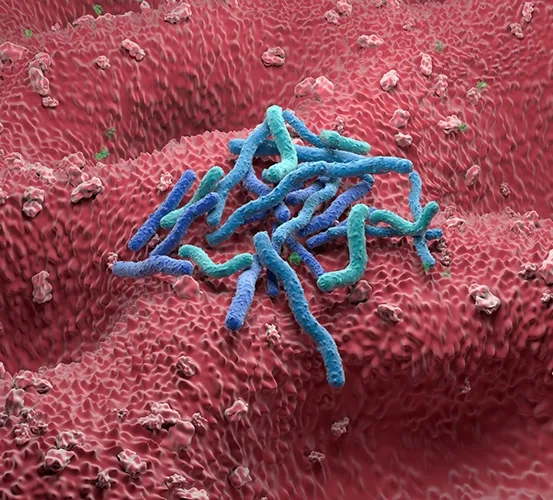
Be Part of a Study That Could Change How We Detect Helicobacter pylori
This study explores whether the Esophageal String Test (EST), a simple, less invasive procedure can accurately detect H. pylori and antibiotic resistance, compared to traditional testing that uses endoscopic biopsies.

NIH Seeking Participants for a Study on Immune Dysfunction in Menopause
Researchers at The National Institutes of Health (NIH) are conducting a study examining inflammation and metabolic dysfunction in menopause. They are looking for both premenopausal and postmenopausal women to participate in the study.

A Controlled Human Infection Study of Orally Administered Trichuris Trichiura Eggs in Naive Adults
Research Study #001706-I - Join a research study investigating the best-tolerated number of whipworm eggs to give to a healthy adult that results in a whipworm infection. The findings from this study will contribute to the development of new therapies in future research.

Phase 1 Study with Dose Expansion of the Anti-Mesothelin TNaive/SCM hYP218 (TNhYP218) CAR T Cells in Participants with Mesothelin-Expressing Solid Tumors Including Mesothelioma
Researchers at NCI are developing a new investigational treatment known as TNhYP218 CAR T cells to target and kill tumor cells in people with solid tumors and with those that have high levels of mesothelin (MSLN) including mesothelioma. The study team collects immune cells (T cells); the T cells are genetically modified to target and kill tumor cells to potentially shrink the tumor.

An Open-Label Study of Zemaira (Alpha 1-Trypsin Inhibitor) in Subjects with Eosinophilic Esophagitis
Research Study #001854-I to explore the effects of Zemaira® for individuals with eosinophilic esophagitis (EoE). This study aims to understand how people with EoE feel while taking Zemaira® and whether it provides any benefits. By joining this research, you'll have the opportunity to contribute to medical advancements that could improve care for those with EoE. Every patient plays a key role in shaping future treatments and expanding knowledge about this condition.

Phase 1 Study of Induced Blood-Stage Malaria in Healthy Malaria-Naive Adults to Assess the Safety and Infectivity of Plasmodium Vivax Challenge Agent and Evaluate Transmission in Mosquito Feeding Assays
Malaria can strike hard, but together, we can strike back even harder! Did you know that malaria can cause severe illness if untreated, killing hundreds of thousands of young children every year?