



Curriculum in Clinical Research
Courses, degree programs and more.
Collaborating with NIH Intramural Investigators
Special resources at the NIH, opportunities for research collaborations.
Healthcare via Electronic & Acoustic Records (HEAR)
HEAR research will try to use voice sounds and data to better understand or diagnose specific diseases with artificial intelligence (AI) and words.
Information for Referring Physicians
Search the Studies, contact information, how to refer a patient and more.
Lectures
Current and archived lecture series include Grand Rounds, Astute Clinicians and more.
Medical Milestones & Clinical Center Firsts
Highlights of scientific discoveries made at the NIH Clinical Center.
Meet Our Doctors
Clinician information.
NIH Intramural Investigators Looking to Recruit Patients/Healthy Volunteers (NIH Staff Only)
Need to reach more patients for your study? The NIH Clinical Center Office of Patient Recruitment offers free services to all NIH intramural researchers needing to enroll patients and healthy volunteers. The office provides strategic recruitment campaigns that include social media marketing, public service announcements, posters, and community outreach initiatives.
Regulatory Toolbox
The Regulatory Toolbox provides regulatory information and guidance to the FDA-regulated community within the NIH Intramural Research Program.
Research at the NIH Clinical Center
Here is a sample of abstracts from the clinical research conducted at the NIH Clinical Center and published in a peer reviewed medical journal this year. Links to the full text and video formats are provided if available.
Resources for Researchers
Bench-to-Bedside awards, Biomedical Translational Research Information System (BTRIS), and more.
Senior Staff
Contact information.
Training Programs and Continuing Medical Education
Fellowships, residency programs internships, and more.
 Robotics in Research - Robotic needle-driver and ultrasound arms attached to a CT scanner test automatic needle placement for biopsy and tumor ablation with point-and-click accuracy.
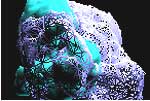 Fusion Imaging - 3D colorized-fusion imaging defines tumors as targets for thermal ablation.
 Holographic Globe - 3D spatial visualization moves beyond regular display monitors to show inside the body during procedures. The colon is blue, the liver is red, and there is a hole in the liver where a tumor was cooked with needles in a minimally-invasive, image-guided procedure.